Signature Peptides
Signed in
My Orders My Account
Home Peptides Library Research Library Test Reports Wholesale About Us Contact Us Sign Out
Signature Quality · Ships from the USA

Advanced peptide
research, purity
and testing.

SCROLL
★★★★★ Excellence in Every Batch
Third-Party Tested
99% Purity (HPLC)
Temperature-Controlled Logistics
Ships from USA Warehouse
Product Usage

Research use only.

Every compound sold on this site is supplied strictly for in vitro laboratory research. All content on this website is provided for educational purposes only.

These materials are not offered, labeled, manufactured, or distributed for administration to humans or animals; any such use is outside the specifications and conditions of sale. Sale is restricted to verified businesses, institutions, and qualified research professionals with a legitimate laboratory or analytical purpose.

These products are not drugs, foods, or cosmetics, and may not be branded, used, or labeled as such.

Every batch testedIndependent HPLC verification on each lot
Controlled logisticsTemperature-controlled packaging where required by stability specifications
Documented lotsLot identity and purity supported by third-party test reports
The Full Line

Our Products.

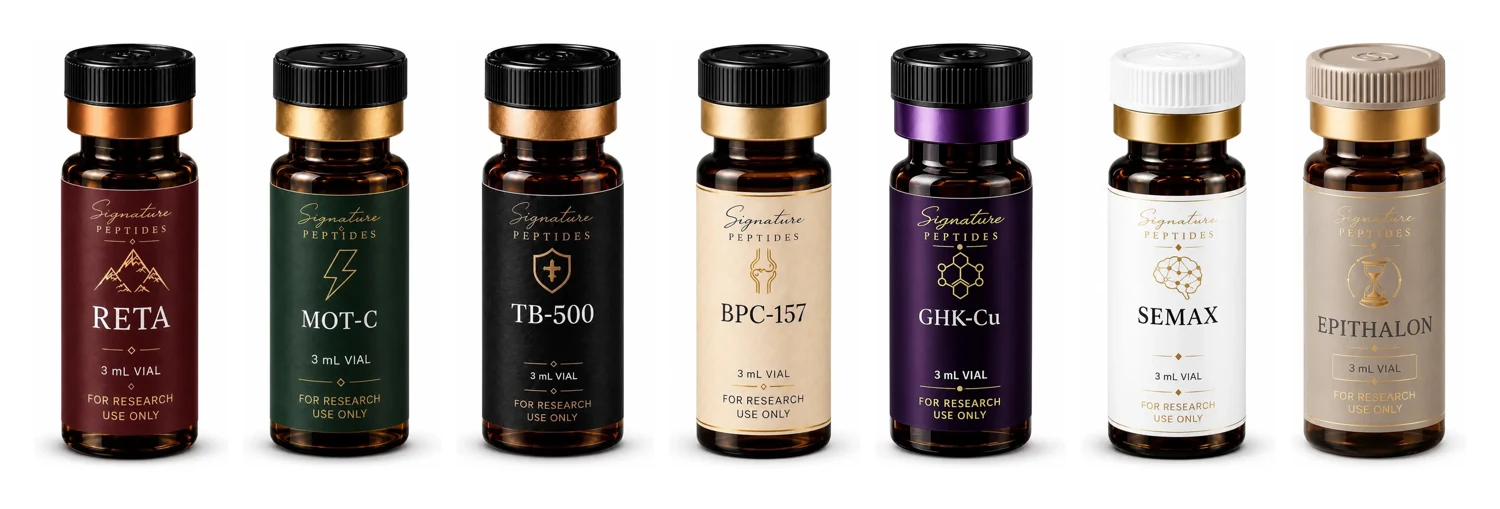
Browse by category. Every lot is manufactured, tested, and documented under the same controlled-handling and third-party verification process, with a lot-matched certificate of analysis.

Test Reports Wholesale About Us Contact Us
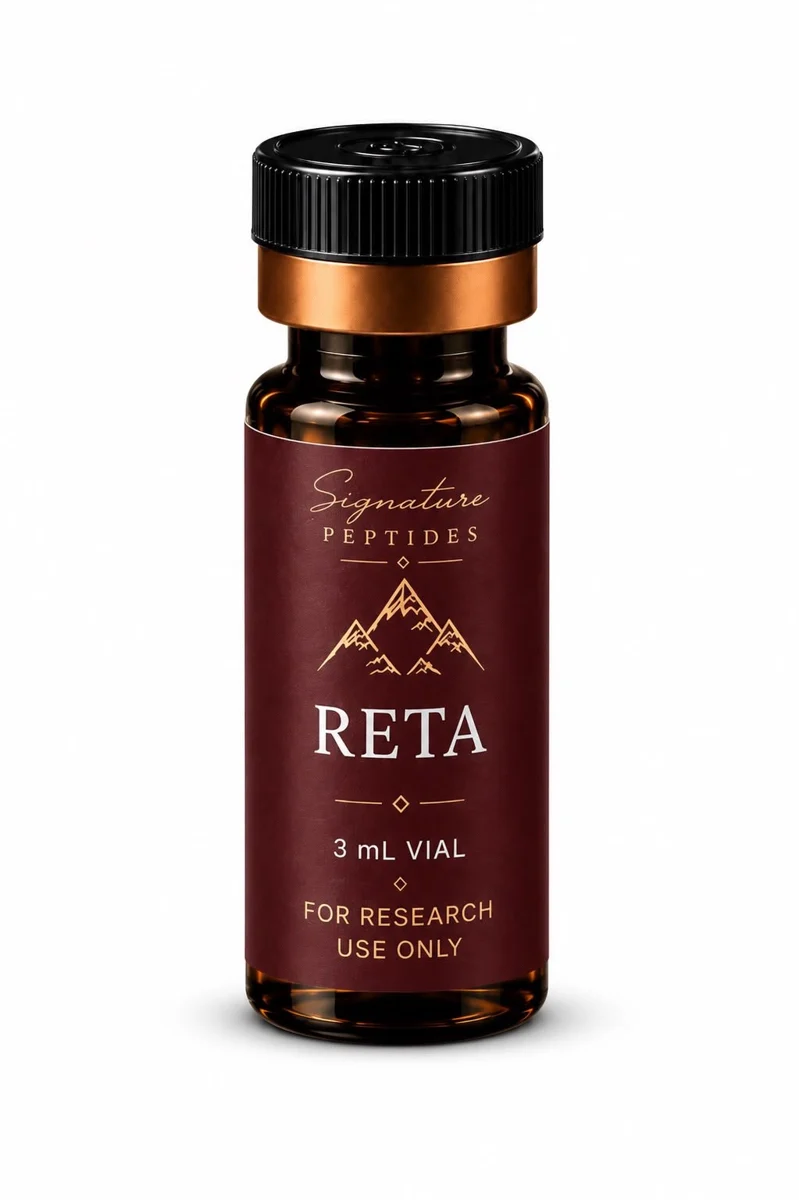
RETA research peptide vial with box
RETA
$129.99
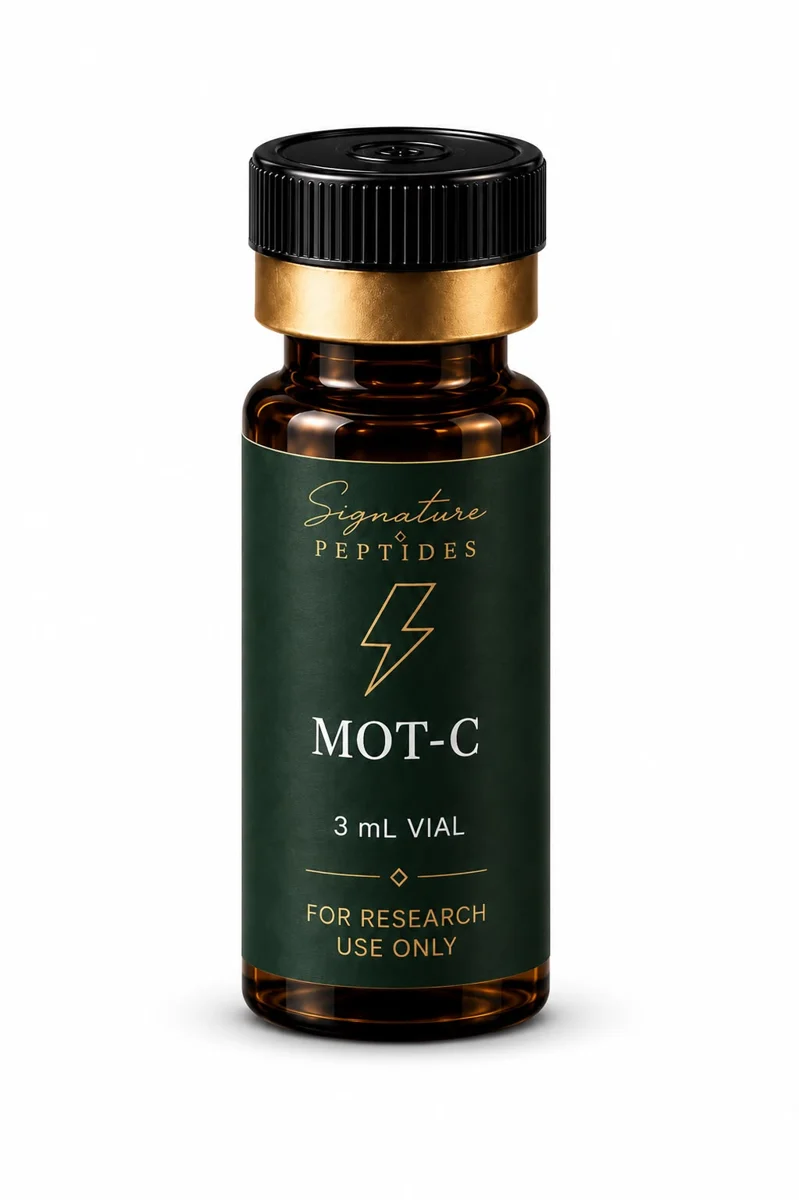
MOT-C research peptide vial with box
MOT-C
$129.99
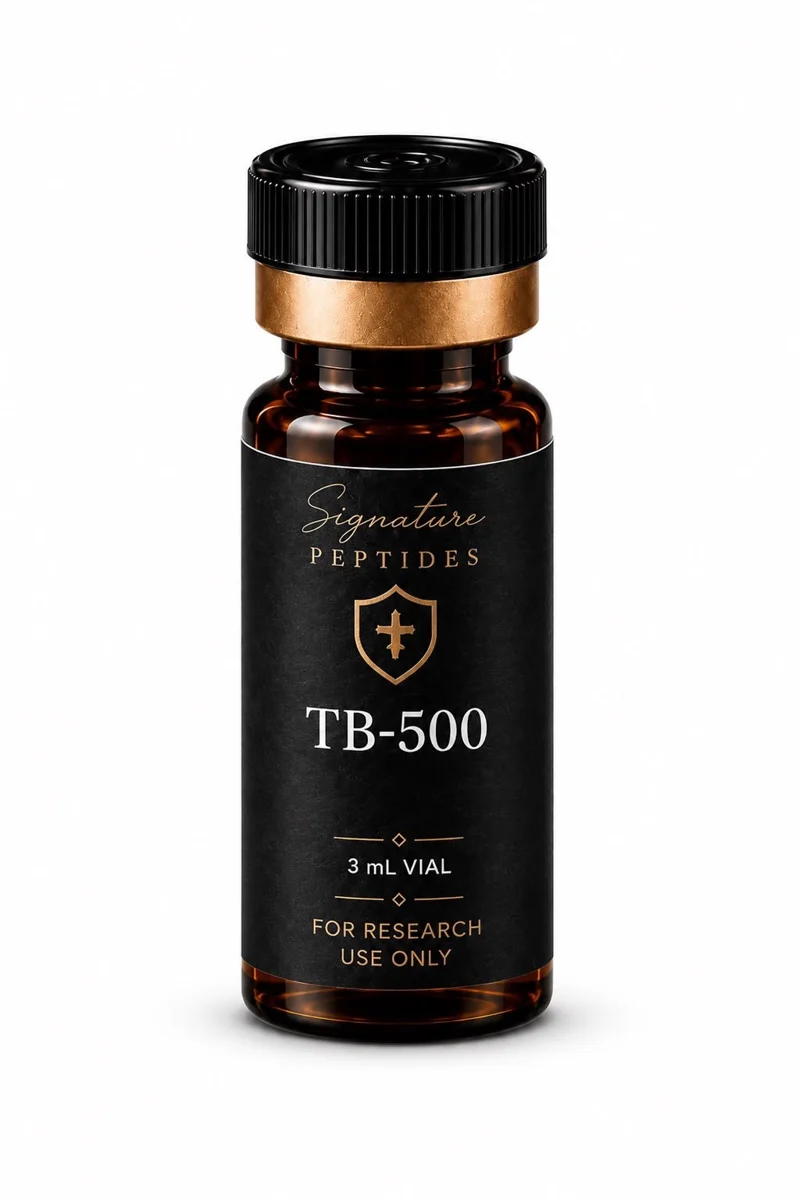
TB-500 research peptide vial with box
TB-500
$129.99
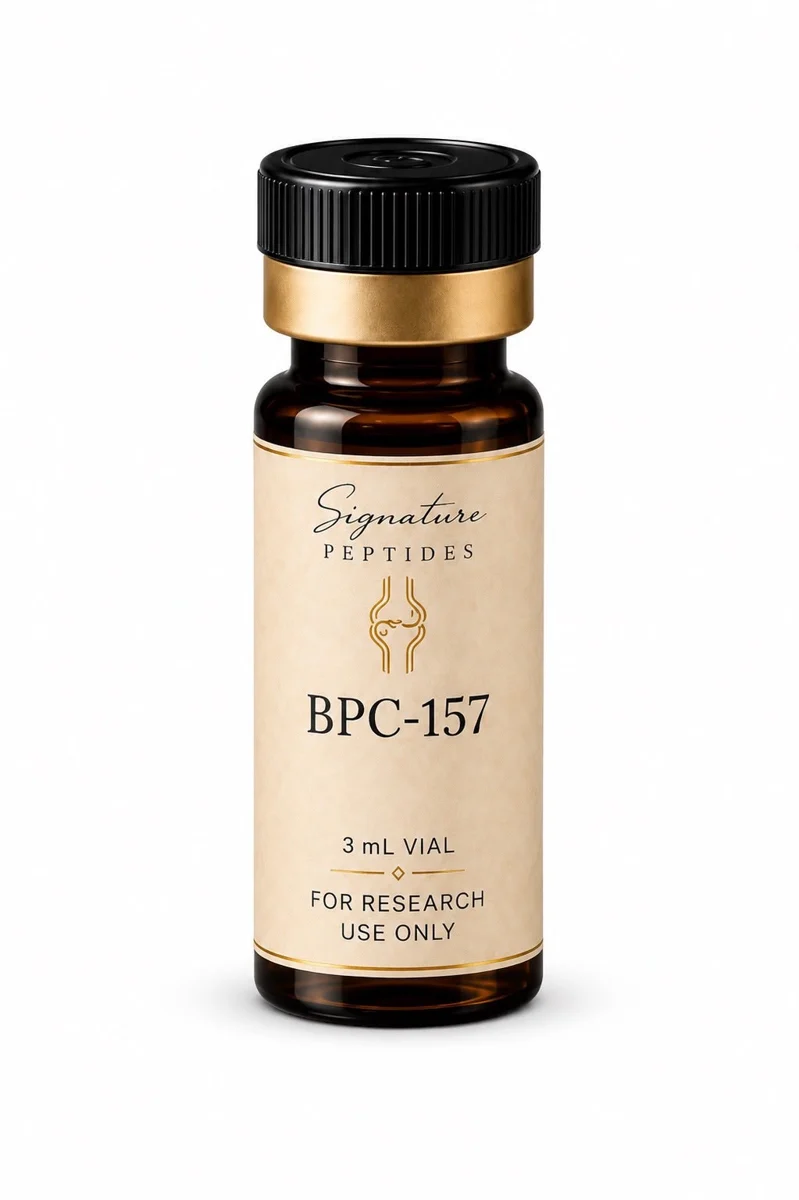
BPC-157 research peptide vial with box
BPC-157
$129.99
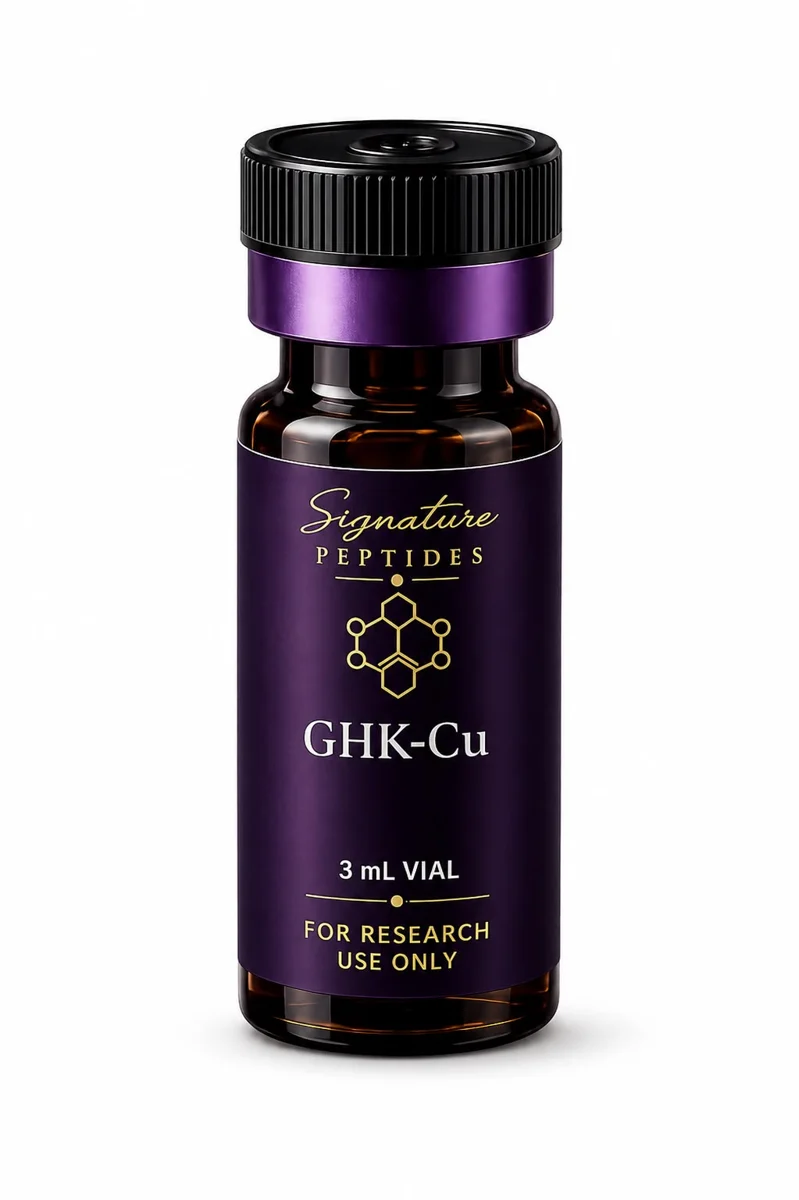
GHK-CU research peptide vial with box
GHK-CU
$129.99
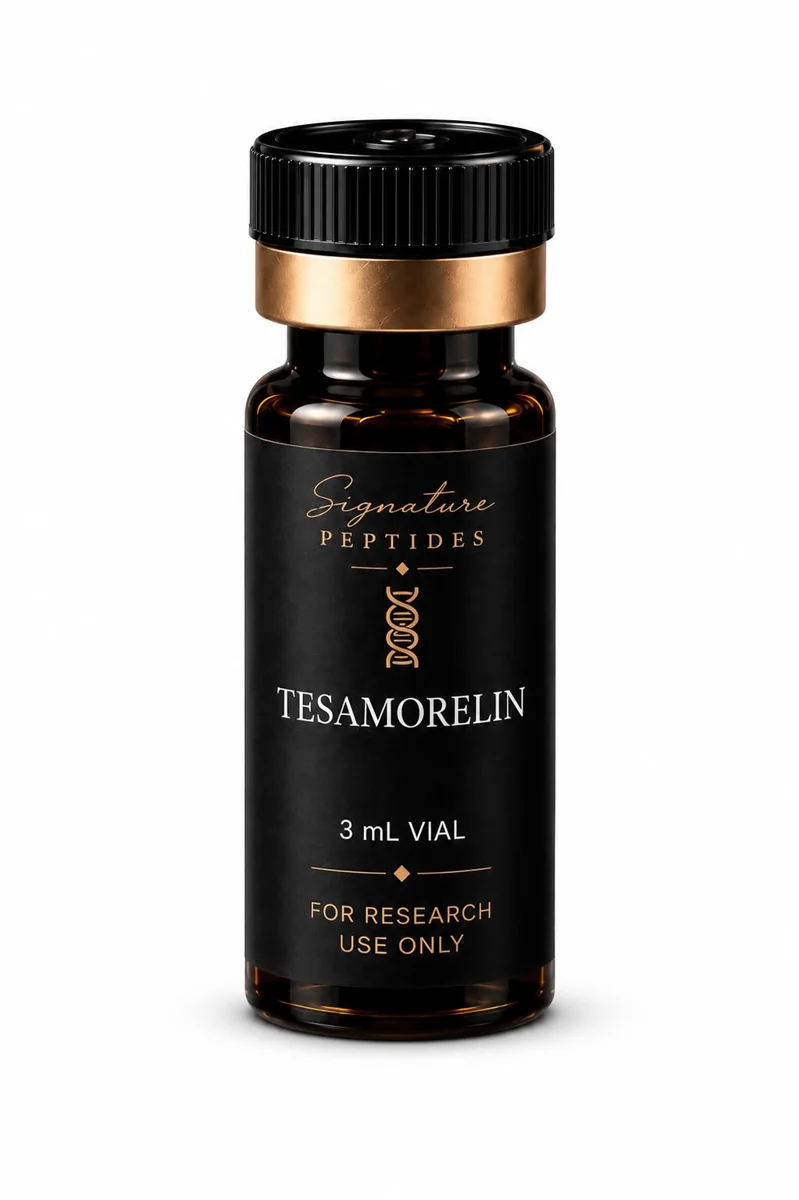
TESAMORELIN research peptide vial with box
TESAMORELIN
$129.99
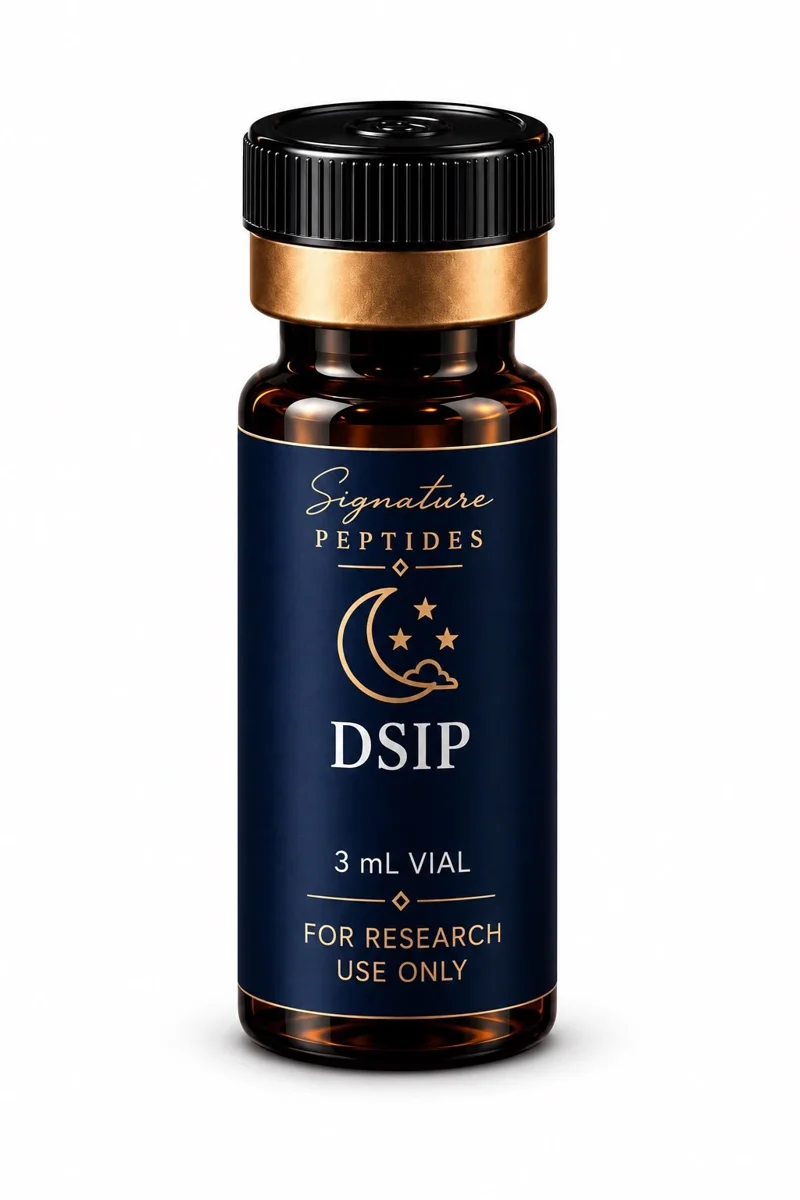
DSIP research peptide vial with box
DSIP
$129.99
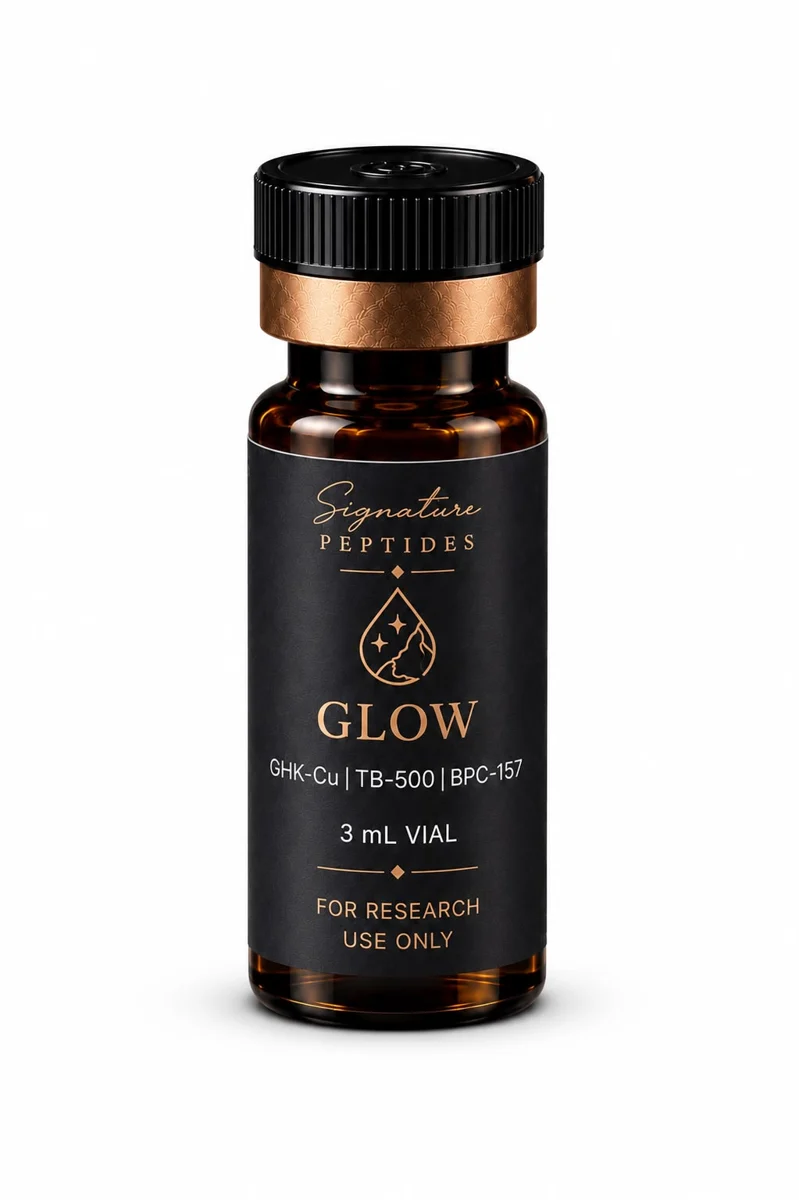
GLOW research peptide vial with box
GLOW
$129.99
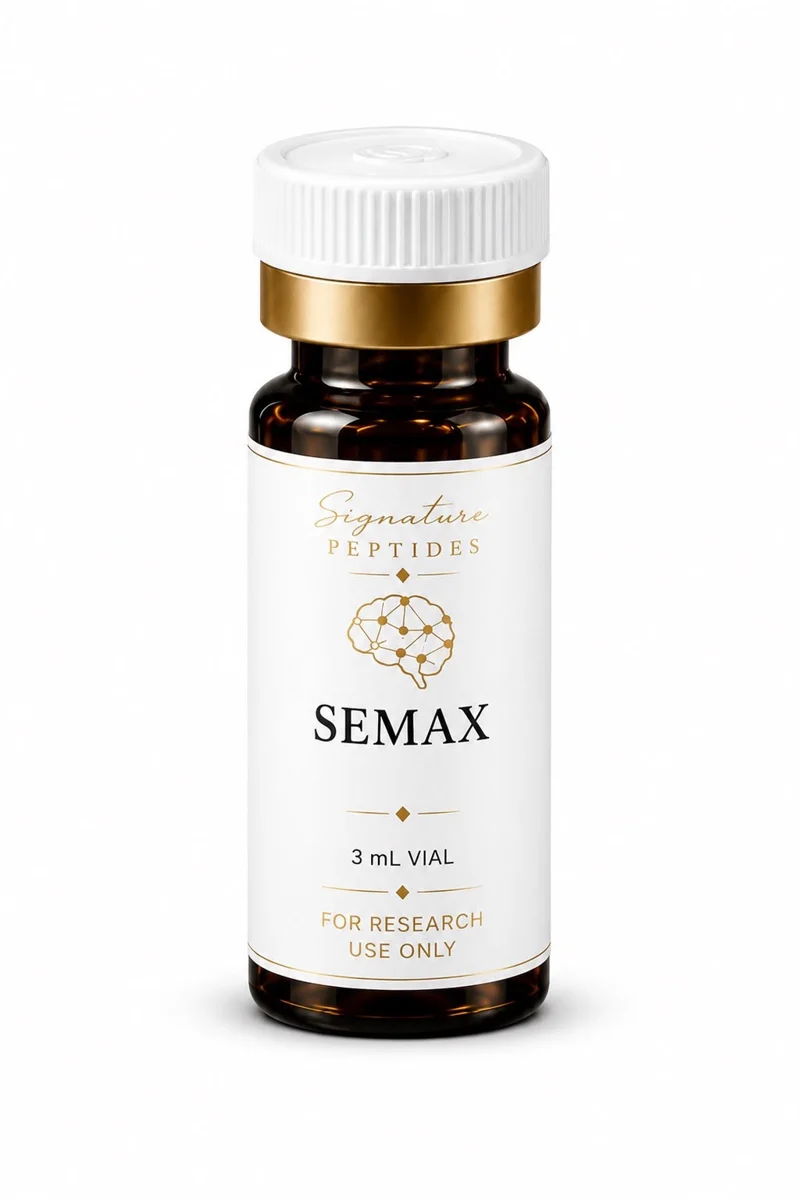
SEMAX research peptide vial with box
SEMAX
$129.99
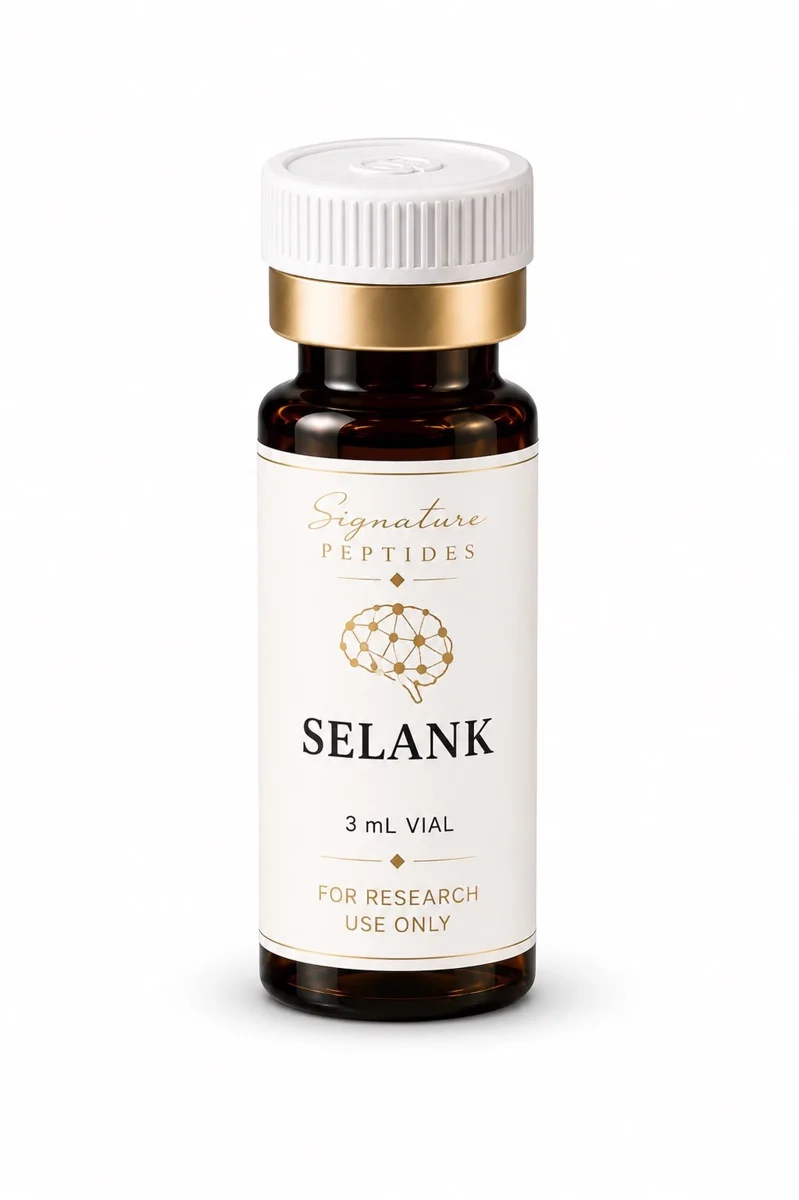
SELANK research peptide vial with box
SELANK
$129.99
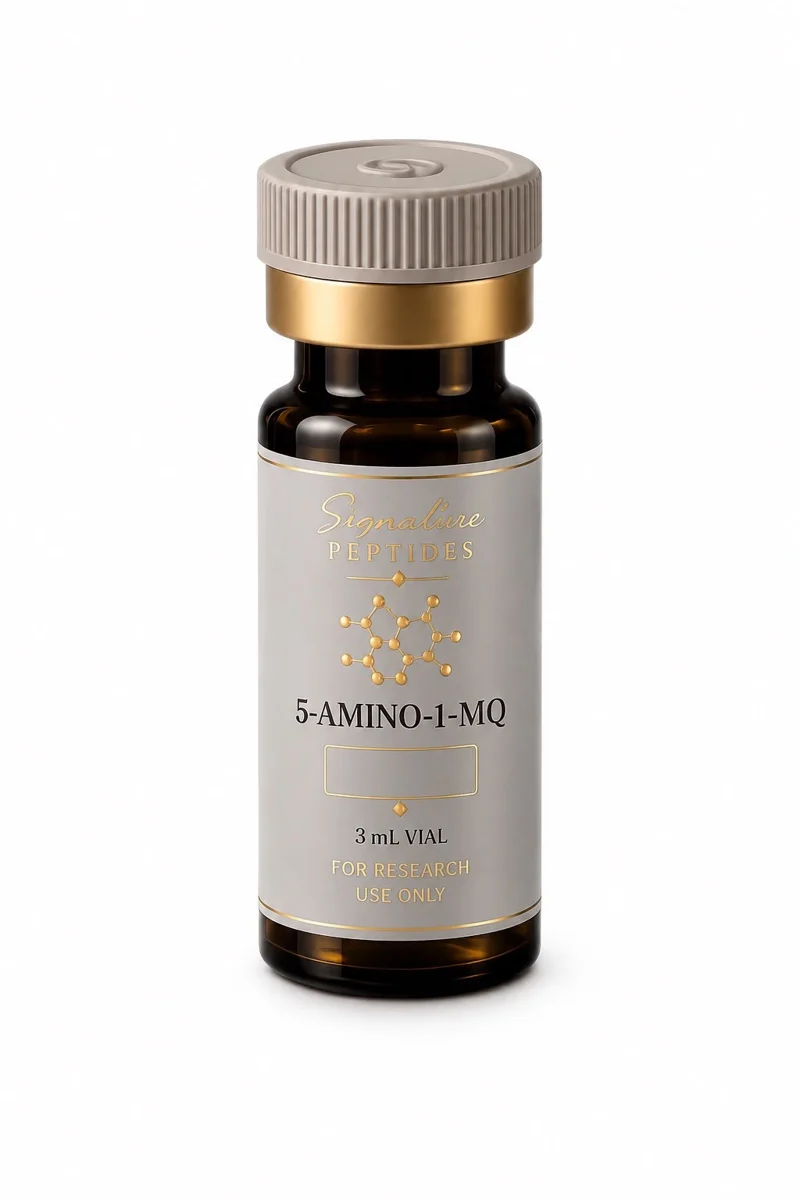
5-AMINO-1-MQ research vial with box
5-AMINO-1-MQ
$129.99
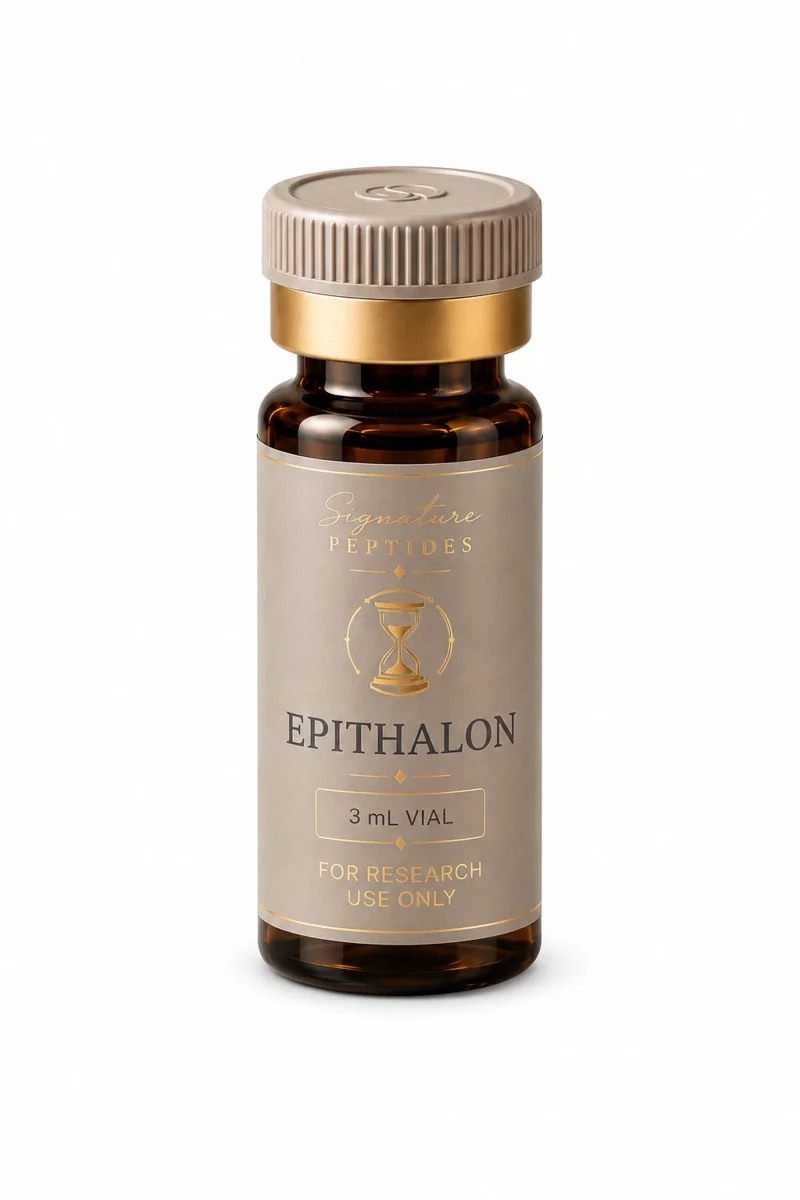
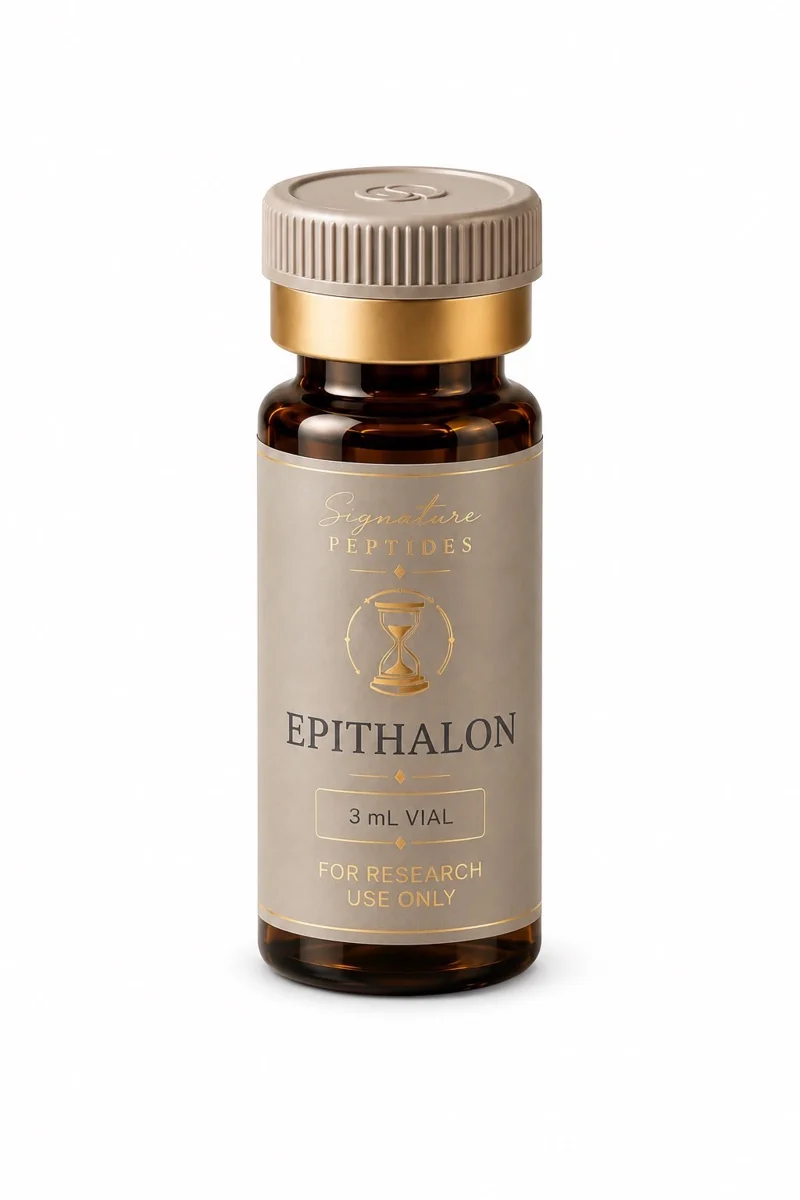
EPITHALON research peptide vial with box
EPITHALON
$129.99
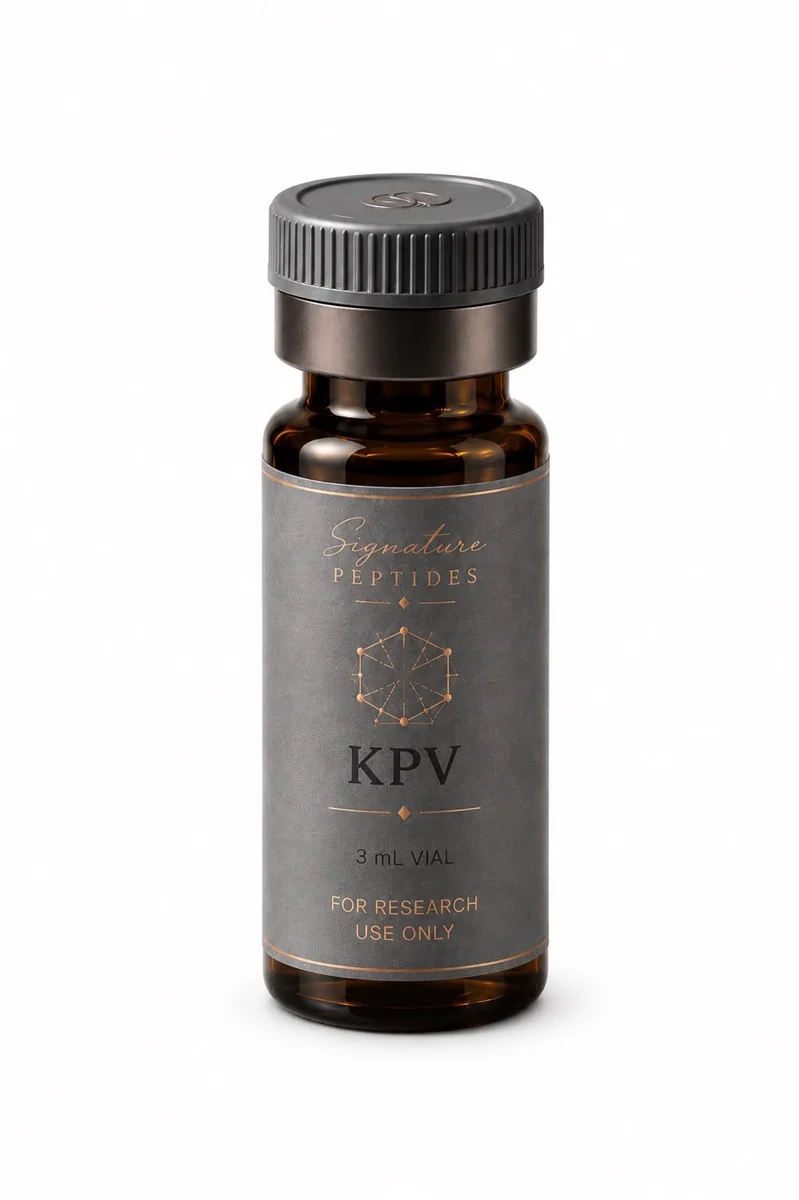
KPV research peptide vial with box
KPV
$129.99
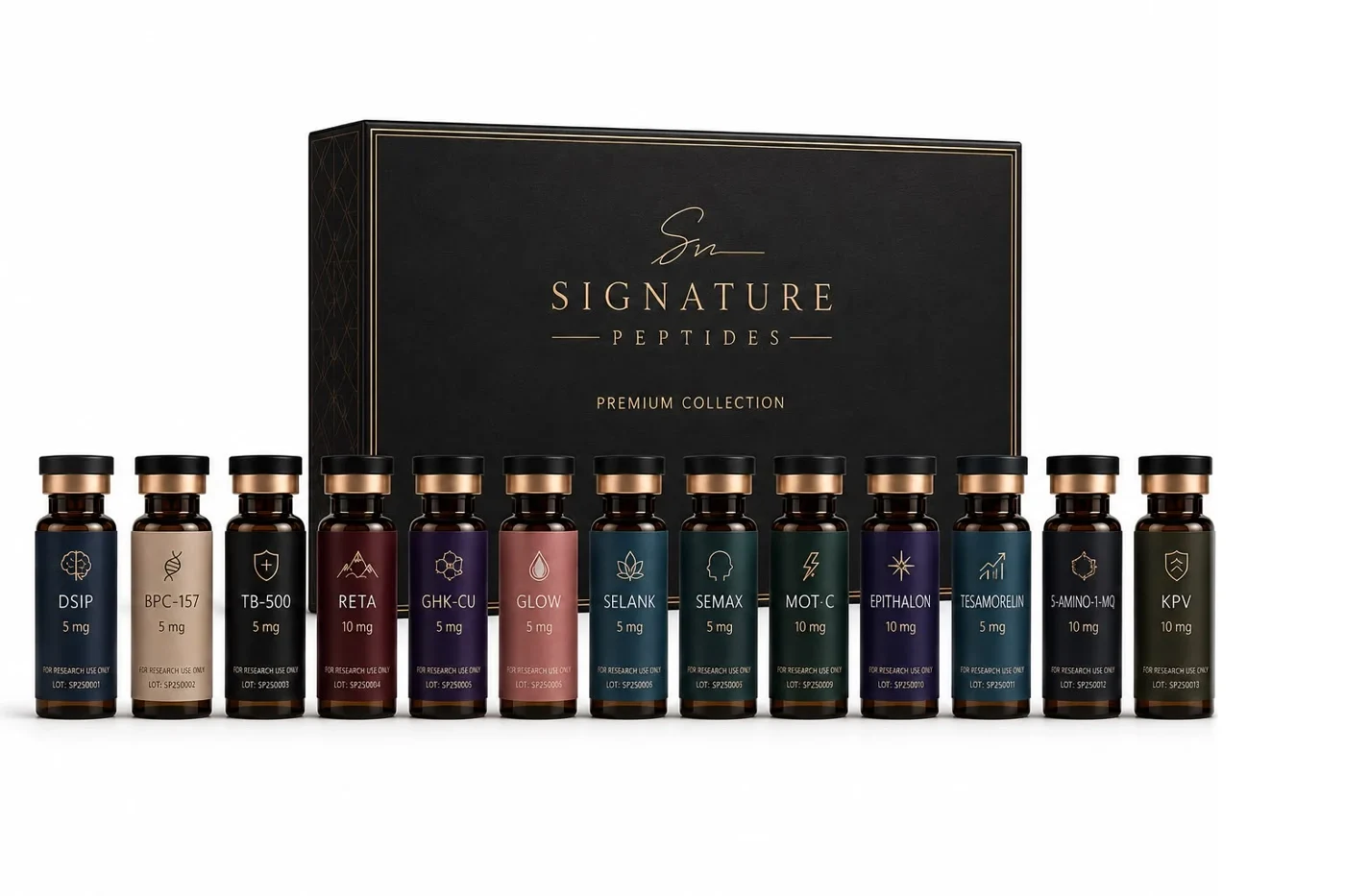
Signature Peptides Premium Collection box with the full vial lineup
Premium Collection

The complete set, in one case.

All compounds ship together in a single lined presentation case: one certificate package, one temperature-controlled shipment, one lot-matched set for institutions running a full research panel.

DSIPBPC-157TB-500RETA GHK-CUGLOWSELANKSEMAX MOT-CEPITHALONTESAMORELIN5-AMINO-1-MQ KPV
Signature Peptides Premium Collection open case with the full research line
Testing & Quality Control

Every batch, verified before it ships.

Independent HPLC and mass spectrometry testing accompanies every production lot. Documentation is issued per-batch, not per-product line, so the numbers on your vial match the numbers on file.

Compound
Full Research Line
Vials
3 mL, lyophilized
Purity (HPLC)
99.0%
Form
Lyophilized powder
Storage
-20°C, protect from light
Lot / Expiry
SP250003 / 06/2027
01
Verified quality
Lot identity and reported analytical purity are supported by the accompanying third-party test report.
02
Fast shipping
Orders are dispatched the next business day in temperature-controlled packaging where required by compound stability specifications.
03
USA manufactured
Compounds are lyophilized in the United States for consistency from lot to lot.
04
Testing and transparency
Each batch is verified twice, with HPLC documentation tied to the lot number on your vial.
05
Experience matters
From first inquiry to delivered vial, the process is built to exceed expectations.
06
Support
Questions about an order or a compound? Email support@signaturepeptides.us and we will get back to you.
i

For laboratory research use only

This product is sold exclusively for in-vitro laboratory research by qualified professionals. It is not a drug, food, dietary supplement, or cosmetic, and it is not intended for human or animal consumption, diagnostic use, or therapeutic use of any kind. It has not been evaluated by the FDA or any equivalent regulator. By ordering, you confirm that you are a qualified researcher or institution and that you accept full responsibility for lawful, research-only handling of this compound.

Our Mission

Moving peptide science forward.

Peptides are widely studied across biochemical, analytical, and pharmaceutical research, and play a central role in the science that lies ahead.

Signature Peptides exists because serious research demands materials that can be trusted: consistent, verified, and documented from synthesis to delivery.

Our goal is simple: supply compounds worthy of the work being done with them.

For research use only. Not for human or veterinary use.

Wholesale Program

Buy in volume. Supply your lab.

Accredited laboratories, universities, biotechnology companies, and contract research organizations can order the full line in bulk. Volume pricing, lot-matched documentation for every case, and priority temperature-controlled fulfillment on standing orders.

Volume pricingTiered rates from 10 vials per compound
Lot-matched COAsFull documentation with every case
Priority fulfillmentStanding orders ship first, temperature-controlled where required
Contact Us

Get in touch.

Questions about an order, a compound, or documentation? Send a message and we will get back to you as quickly as possible. You can also email us directly at support@signaturepeptides.us.

Your Account

My Account.

Email
-
Business Type
-
Member Since
-
Orders From This Device
0
My Orders Sign Out
Your Account

My Orders.

Orders placed from this device appear here.

Legal

Privacy Policy.

Signature Peptides collects only the information needed to operate this site: the email address and business type you provide at registration, and the contact and shipping details you submit with an order or inquiry. Registration details are transmitted to us for account administration and are also stored locally on your own device.

Order and inquiry details are transmitted to us by email through a form-relay service and are used solely to process your order, respond to your inquiry, and maintain records required for compliance. We do not sell or rent personal information to third parties.

Service providers used to operate the site (hosting, form relay, email) process data only as needed to provide their services. We retain order correspondence for as long as required for business and compliance purposes.

You may request access to or deletion of your information by writing to support@signaturepeptides.us. California residents may exercise applicable rights under the CCPA by contacting the same address.

Legal

Shipping Policy.

Orders ship within the United States only. Orders are dispatched within one to two business days of confirmation.

Shipments use temperature-controlled packaging where required by compound stability specifications. A flat shipping fee of $19.00 applies per order. Tracking details are sent to the email address on the order once the shipment is dispatched.

For institutional or bulk shipments, contact support@signaturepeptides.us.

Legal

Refund & Return Policy.

Unopened vials in their original sealed packaging may be eligible for return. Contact support@signaturepeptides.us within 14 days of delivery to request a return authorization.

Opened or unsealed products cannot be returned. Approved refunds are issued to the original payment method after the returned items are received and inspected.

Research Library

Notes on documentation, testing & handling.

Educational reference material on certificates of analysis, analytical testing methods, and laboratory handling of research compounds.

Research Note

What Is a Certificate of Analysis (COA) and How to Read One

A certificate of analysis (COA) is the document that accompanies a research compound and reports the analytical results for a specific production lot.

Read article →
Research Note

Lyophilized Peptides: Storage and Handling in the Laboratory

Lyophilization removes water from a compound to improve stability during storage and transport. Proper handling preserves the integrity of lyophilized research material.

Read article →
Research Note

HPLC vs Mass Spectrometry in Peptide Verification

HPLC and mass spectrometry answer different questions about a research compound. Together they establish both purity and identity for a production lot.

Read article →
Research Note

Understanding Independent Third-Party Testing

Independent third-party testing adds an external check to a supplier's internal analysis, providing an additional layer of verification for a production lot.

Read article →
Research Note

What Are Research Peptides? A Laboratory Overview

Research peptides are short chains of amino acids supplied as reference materials for in-vitro laboratory and analytical work.

Read article →
Research Note

Reconstitution Basics for the Laboratory

Reconstitution is the process of returning a lyophilized powder to solution with a suitable diluent for laboratory work.

Read article →
Research Note

How to Store Research Compounds

Correct storage preserves the stability and integrity of research compounds throughout their time in the laboratory.

Read article →
Research Note

Reading an HPLC Chromatogram

An HPLC chromatogram is the visual output of a purity analysis, showing how the components of a sample separate over time.

Read article →
Research Note

What Is a Certificate of Analysis (COA) and How to Read One

A certificate of analysis (COA) is the document that accompanies a research compound and reports the analytical results for a specific production lot.

What a COA contains

A certificate of analysis records the identity and purity results for a single production lot. Typical fields include the compound name, the net content and vial format, the analytical purity determined by HPLC, the physical form, recommended storage conditions, and the lot number tied to an expiry date. Because a COA is issued per batch rather than per product line, the values on the document should match the lot number printed on the vial you received.

Why the lot number matters

The lot number is the link between a physical vial and its documentation. When identity and purity testing is performed, the results are logged against that lot. Matching the lot on your vial to the lot on the COA is the simplest way to confirm the paperwork describes the material in front of you rather than an unrelated batch.

Reading the purity figure

Purity is commonly reported as a percentage from high-performance liquid chromatography (HPLC). HPLC separates the components of a sample so that the target compound can be quantified relative to any impurities. A supporting chromatogram, when provided, shows the separation visually; a single dominant peak corresponds to a high-purity result.

Identity confirmation

Identity testing confirms that the material is the compound named on the label. Mass spectrometry is frequently used for this step, measuring the molecular weight of the compound so it can be compared against the expected value. Identity and purity together form the core of a meaningful COA.

For laboratory research use only. Not for human or veterinary use. This content is provided for educational purposes and does not describe or recommend any use in humans or animals.

Browse the Peptides Library
Research Note

Lyophilized Peptides: Storage and Handling in the Laboratory

Lyophilization removes water from a compound to improve stability during storage and transport. Proper handling preserves the integrity of lyophilized research material.

What lyophilization is

Lyophilization, or freeze-drying, removes water from a frozen sample under vacuum. The result is a dry, stable powder that is easier to store and ship than a material held in solution. Many research peptides are supplied in lyophilized form for this reason, sealed under nitrogen to further limit exposure to moisture and oxygen.

Storage conditions

Lyophilized material is generally stored cold and protected from light. A common laboratory practice is storage at low temperature until the material is needed, following the storage specification listed on the certificate of analysis. Keeping vials sealed until use limits exposure to ambient humidity.

Handling considerations

When a lyophilized powder is handled, minimizing time at room temperature and avoiding repeated temperature cycling helps preserve stability. Because storage and stability requirements vary between compounds, the specification on the accompanying documentation should always take precedence over general guidance.

Documentation and traceability

Each lyophilized lot ships with lot-matched documentation. Retaining the certificate of analysis alongside the vial keeps the analytical record traceable to the physical material throughout its time in the laboratory.

For laboratory research use only. Not for human or veterinary use. This content is provided for educational purposes and does not describe or recommend any use in humans or animals.

Browse the Peptides Library
Research Note

HPLC vs Mass Spectrometry in Peptide Verification

HPLC and mass spectrometry answer different questions about a research compound. Together they establish both purity and identity for a production lot.

The role of HPLC

High-performance liquid chromatography separates the components of a sample as they pass through a column at high pressure. Because different molecules travel at different rates, the target compound is resolved from impurities and can be quantified. HPLC is therefore the standard method for reporting purity as a percentage.

The role of mass spectrometry

Mass spectrometry measures the mass-to-charge ratio of ionized molecules, which allows the molecular weight of a compound to be determined. Comparing the measured mass against the expected value confirms the identity of the material. Where HPLC answers how pure a sample is, mass spectrometry answers what the sample is.

Why both are used

Purity and identity are distinct properties. A sample can be highly pure yet mislabeled, or correctly identified yet contaminated. Running both HPLC and mass spectrometry on a production lot addresses both questions, which is why comprehensive documentation references each method.

Interpreting the combined result

A complete analytical picture pairs a purity figure and chromatogram from HPLC with an identity confirmation from mass spectrometry, all tied to a single lot number. Reviewing them together gives the clearest view of a lot's analytical profile.

For laboratory research use only. Not for human or veterinary use. This content is provided for educational purposes and does not describe or recommend any use in humans or animals.

Browse the Peptides Library
Research Note

Understanding Independent Third-Party Testing

Independent third-party testing adds an external check to a supplier's internal analysis, providing an additional layer of verification for a production lot.

Internal versus independent testing

Internal testing is performed by the supplier as part of production. Independent third-party testing sends samples to a separate laboratory that has no stake in the result. Using both means a lot is checked twice, by different parties, before documentation is finalized.

What independent testing verifies

Third-party analysis typically confirms identity and measures purity using methods such as HPLC and mass spectrometry. Because the testing laboratory is separate from the producer, its results serve as an external reference point against the supplier's own figures.

How results are documented

Independent results are recorded against the lot number so they can be traced to the specific batch. This keeps the external verification tied to the physical material rather than to the product line as a whole.

Why it matters for research

For laboratory and analytical work, the reliability of reference materials depends on trustworthy documentation. An independent check reduces the chance that an error in a single testing pipeline goes unnoticed, supporting the integrity of downstream research.

For laboratory research use only. Not for human or veterinary use. This content is provided for educational purposes and does not describe or recommend any use in humans or animals.

Browse the Peptides Library
Research Note

What Are Research Peptides? A Laboratory Overview

Research peptides are short chains of amino acids supplied as reference materials for in-vitro laboratory and analytical work.

Defining a peptide

A peptide is a short chain of amino acids linked by peptide bonds. Peptides sit between individual amino acids and larger proteins in size. In a research context, they are handled as chemical reference materials rather than as products for any form of consumption.

Why peptides are studied

Peptides are of interest across biochemical, analytical, and pharmaceutical research because of their structural diversity and their role as reference standards. Different sequences interact with biological systems in different ways, which makes them a broad and active area of laboratory investigation.

How research peptides are supplied

Research peptides are commonly supplied as lyophilized powder in sealed vials, accompanied by a certificate of analysis that documents identity and purity for the production lot. The dry format supports stability during storage and transport.

Handling as reference materials

Because these materials are supplied strictly for in-vitro laboratory research, they are handled by qualified professionals under appropriate laboratory conditions. They are not offered, labeled, or distributed for administration to humans or animals.

For laboratory research use only. Not for human or veterinary use. This content is provided for educational purposes and does not describe or recommend any use in humans or animals.

Browse the Peptides Library
Research Note

Reconstitution Basics for the Laboratory

Reconstitution is the process of returning a lyophilized powder to solution with a suitable diluent for laboratory work.

What reconstitution means

Reconstitution is the step of dissolving a lyophilized (freeze-dried) powder back into a liquid using a suitable diluent. Research peptides are frequently supplied in dry form for stability, so a reconstitution step is part of standard laboratory preparation before analytical work.

Choosing a diluent

The appropriate diluent depends on the compound and the intended analytical method. General laboratory practice follows the stability characteristics of the specific material. Note that diluents and laboratory supplies are not included with research vials and are sourced separately by the laboratory.

Working cleanly

Reconstitution is performed under clean laboratory conditions to avoid introducing contaminants. Minimizing handling time and following the storage specification on the certificate of analysis helps preserve the integrity of the material after it is in solution.

Documentation

Recording the diluent, concentration, and date of reconstitution keeps a clear laboratory record. This traceability complements the lot-matched certificate of analysis that ships with each vial.

For laboratory research use only. Not for human or veterinary use. This content is provided for educational purposes and does not describe or recommend any use in humans or animals.

Browse the Peptides Library
Research Note

How to Store Research Compounds

Correct storage preserves the stability and integrity of research compounds throughout their time in the laboratory.

Follow the specification

Every research compound ships with a storage specification on its certificate of analysis. This is the primary reference for temperature and light conditions, and it takes precedence over any general guidance because requirements vary between compounds.

Temperature and light

Many lyophilized research materials are kept cold and protected from light. Avoiding repeated temperature cycling and keeping vials sealed until use are common practices that help preserve stability.

Organization and labeling

Clear labeling with the compound name and lot number keeps materials traceable to their documentation. An organized storage system reduces handling errors and makes it easier to match a vial to its certificate of analysis.

Records

Maintaining storage records alongside the accompanying documentation supports the integrity and traceability of reference materials in a laboratory setting.

For laboratory research use only. Not for human or veterinary use. This content is provided for educational purposes and does not describe or recommend any use in humans or animals.

Browse the Peptides Library
Research Note

Reading an HPLC Chromatogram

An HPLC chromatogram is the visual output of a purity analysis, showing how the components of a sample separate over time.

What a chromatogram shows

A high-performance liquid chromatography (HPLC) chromatogram plots detector response against time as a sample passes through a column. Each component of the sample appears as a peak. The pattern of peaks is the visual record behind a reported purity figure.

Interpreting peaks

The target compound typically appears as the largest, dominant peak. Smaller peaks correspond to impurities or related substances. The relative area of the main peak against the total is the basis for expressing purity as a percentage.

Retention time

The time at which a peak appears is its retention time, a characteristic of how the compound moves through the column under the given conditions. Consistent retention times across runs support reproducibility of the analysis.

Pairing with identity testing

A chromatogram addresses purity but not identity. Pairing it with an identity method such as mass spectrometry gives a fuller analytical picture of a production lot, all tied to a single lot number.

For laboratory research use only. Not for human or veterinary use. This content is provided for educational purposes and does not describe or recommend any use in humans or animals.

Browse the Peptides Library
RETA research peptide vial, 3 mL, for laboratory research use only

RETA

3 mL Lyophilized Vial · For Laboratory Research Use Only

GLP-1/GIP/glucagon receptor triple-agonist peptide studied in incretin receptor-binding and metabolic pathway research.

$129.99
View in Library
Lyophilized powder, sealed under nitrogen, shipped with a lot-matched certificate of analysis. Not for human or veterinary use.
MOT-C research peptide vial, 3 mL, for laboratory research use only

MOT-C

3 mL Lyophilized Vial · For Laboratory Research Use Only

Mitochondrial-derived peptide fragment (MOTS-c class) studied in cellular energy metabolism and mitochondrial signaling research.

$129.99
View in Library
Lyophilized powder, sealed under nitrogen, shipped with a lot-matched certificate of analysis. Not for human or veterinary use.
TB-500 research peptide vial, 3 mL, for laboratory research use only

TB-500

3 mL Lyophilized Vial · For Laboratory Research Use Only

Synthetic fragment of Thymosin Beta-4 studied for its role in actin regulation and cell-migration research models.

$129.99
View in Library
Lyophilized powder, sealed under nitrogen, shipped with a lot-matched certificate of analysis. Not for human or veterinary use.
BPC-157 research peptide vial, 3 mL, for laboratory research use only

BPC-157

3 mL Lyophilized Vial · For Laboratory Research Use Only

Synthetic pentadecapeptide derived from a gastric-protein fragment, studied in gut-lining and tissue-signaling research models.

$129.99
View in Library
Lyophilized powder, sealed under nitrogen, shipped with a lot-matched certificate of analysis. Not for human or veterinary use.
GHK-Cu research peptide vial, 3 mL, for laboratory research use only

GHK-Cu

3 mL Lyophilized Vial · For Laboratory Research Use Only

Copper-binding tripeptide (glycyl-histidyl-lysine) studied in dermal fibroblast and extracellular matrix research.

$129.99
View in Library
Lyophilized powder, sealed under nitrogen, shipped with a lot-matched certificate of analysis. Not for human or veterinary use.
TESAMORELIN research peptide vial, 3 mL, for laboratory research use only

TESAMORELIN

3 mL Lyophilized Vial · For Laboratory Research Use Only

Synthetic growth-hormone-releasing hormone (GHRH) analog studied in adipose-tissue metabolism and GH-axis signaling research.

$129.99
View in Library
Lyophilized powder, sealed under nitrogen, shipped with a lot-matched certificate of analysis. Not for human or veterinary use.
DSIP research peptide vial, 3 mL, for laboratory research use only

DSIP

3 mL Lyophilized Vial · For Laboratory Research Use Only

Delta-sleep-inducing peptide used to study sleep-cycle regulation and circadian signaling in vitro.

$129.99
View in Library
Lyophilized powder, sealed under nitrogen, shipped with a lot-matched certificate of analysis. Not for human or veterinary use.
GLOW research peptide vial, 3 mL, for laboratory research use only

GLOW

3 mL Lyophilized Vial · For Laboratory Research Use Only

Multi-peptide research blend combining GHK-Cu, TB-500 and BPC-157 in a single research-grade vial.

$129.99
View in Library
Lyophilized powder, sealed under nitrogen, shipped with a lot-matched certificate of analysis. Not for human or veterinary use.
SEMAX research peptide vial, 3 mL, for laboratory research use only

SEMAX

3 mL Lyophilized Vial · For Laboratory Research Use Only

Synthetic heptapeptide analog of ACTH(4-10) studied in neurotrophic signaling and cognitive research models.

$129.99
View in Library
Lyophilized powder, sealed under nitrogen, shipped with a lot-matched certificate of analysis. Not for human or veterinary use.
SELANK research peptide vial, 3 mL, for laboratory research use only

SELANK

3 mL Lyophilized Vial · For Laboratory Research Use Only

Synthetic analog of the immunomodulatory peptide tuftsin, studied in anxiolytic and immune-signaling research.

$129.99
View in Library
Lyophilized powder, sealed under nitrogen, shipped with a lot-matched certificate of analysis. Not for human or veterinary use.
5-AMINO-1-MQ research peptide vial, 3 mL, for laboratory research use only

5-AMINO-1-MQ

3 mL Lyophilized Vial · For Laboratory Research Use Only

Small-molecule NNMT inhibitor studied in cellular metabolism and energy-expenditure research.

$129.99
View in Library
Lyophilized powder, sealed under nitrogen, shipped with a lot-matched certificate of analysis. Not for human or veterinary use.
EPITHALON research peptide vial, 3 mL, for laboratory research use only

EPITHALON

3 mL Lyophilized Vial · For Laboratory Research Use Only

Synthetic tetrapeptide (Ala-Glu-Asp-Gly) studied in telomerase activity and aging-related research models.

$129.99
View in Library
Lyophilized powder, sealed under nitrogen, shipped with a lot-matched certificate of analysis. Not for human or veterinary use.
KPV research peptide vial, 3 mL, for laboratory research use only

KPV

3 mL Lyophilized Vial · For Laboratory Research Use Only

C-terminal tripeptide fragment of alpha-MSH studied in inflammatory-signaling and gut-barrier research.

$129.99
View in Library
Lyophilized powder, sealed under nitrogen, shipped with a lot-matched certificate of analysis. Not for human or veterinary use.
Got Questions?

We are here to help.

If you don’t find the answer you’re looking for in our FAQs, reach out to our support team and we’ll get back to you as quickly as possible.

Once your order has been processed and shipped, you’ll receive an email confirmation with your tracking number. Orders placed before 12 noon PST typically ship the same business day (later orders ship the next business day). You can use the tracking link in your email to follow your package through FedEx or USPS until it arrives.
We primarily ship using FedEx 2Day for fast and reliable delivery. In some cases, orders may also be shipped with USPS. All orders are securely packaged and sent with full tracking details, which will be provided to you by email once your order has shipped.
At this time, we only ship within the United States. International shipping is not available.
Due to regulations on the sale of our products, we cannot accept returns. If your order arrives incorrect or damaged, please contact us by email and we will arrange a replacement for you.
From the Research Library

Reference notes for the lab.

Educational material on documentation, testing methods, and handling of research compounds.

Research Note

What Is a Certificate of Analysis (COA)?

How to read the document that reports identity and purity for a production lot.

Read article →
Research Note

HPLC vs Mass Spectrometry

How the two methods work together to establish purity and identity.

Read article →
Research Note

Lyophilized Peptides: Storage & Handling

How freeze-dried research material is stored and handled in the laboratory.

Read article →
Library

Browse all research notes →

The full Research Library index of laboratory reference material.

View library →
Newsletter

Sign up for updates.